Leading Setup Frequently Asked Questions: What Every Property owner in the Bay Location Need To Know
Introduction
When it concerns boosting the aesthetics and functionality of your outdoor room, leading installment is an excellent method to go. Whether you're wanting to revamp your driveway, create a magnificent patio area, or boost your yard paths, recognizing the ins and outs of leading installment is important. This article aims to give you with thorough understandings right into paving installment, particularly customized for property owners in the Bay Area.
Paving includes various products and techniques, with interlocking pavers being just one of the most popular choices due to their toughness and style convenience. However, with many choices available, it's very easy for house owners to feel overwhelmed. That's where we are available in. We will certainly address your most pressing inquiries concerning leading installment and overview you with every little thing you need to recognize before starting your project.
Let's study our comprehensive guide!
Paving Setup FAQs: What Every Property owner in the Bay Area Need To Know
What Are Interlocking Pavers?
Interlocking paver driveway repair East Bay pavers are a kind of concrete block made use of for outside surface areas, which fit together like pieces of a problem. They come in various shapes, colors, and textures, enabling home owners to develop one-of-a-kind layouts that match their landscape. These pavers are renowned for their strength and longevity.
Advantages of Interlocking Pavers
- Durability: These pavers can withstand hefty tons and extreme climate conditions.
- Low Upkeep: They call for very little maintenance contrasted to typical paving methods.
- Aesthetic Flexibility: Home owners can mix shades and patterns for a customized look.
What Is Involved in Paving Installation?
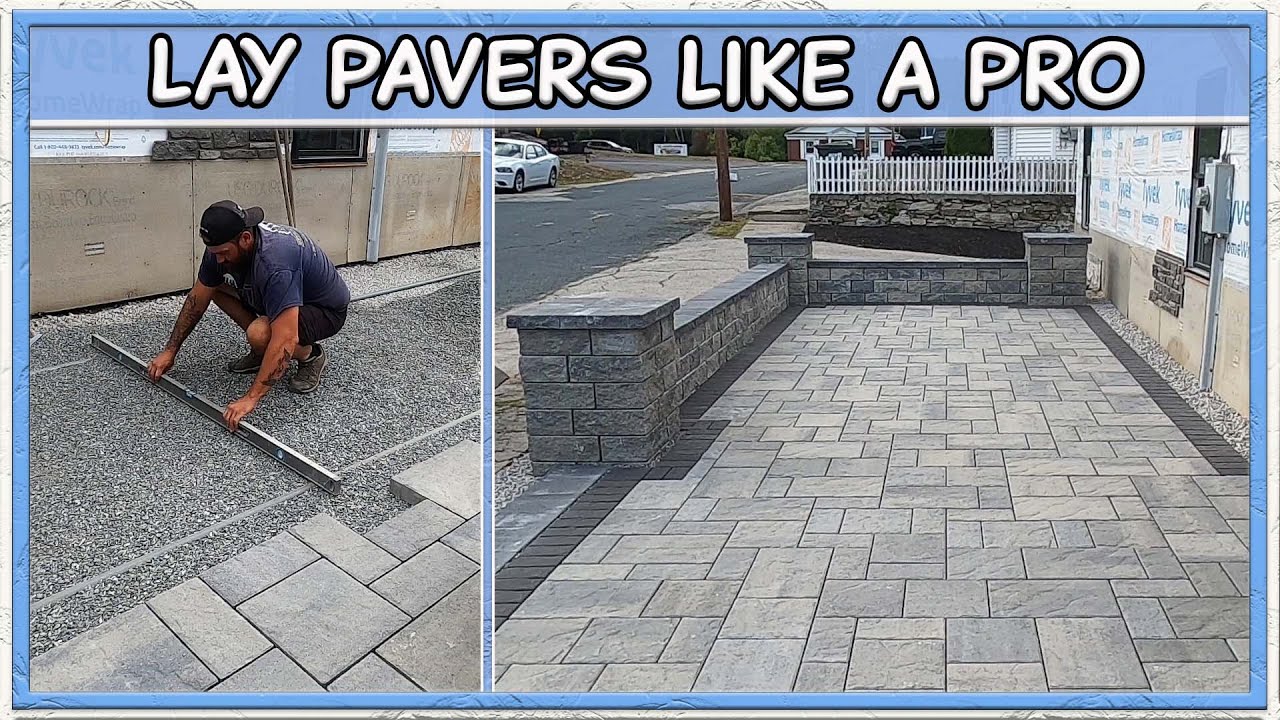
The paving setup procedure generally involves a number of steps:
- Planning and Design: Figure out the area size, choose materials (like interlacing pavers), and pick a pattern.
- Excavation: Remove existing products from the area where the paving will certainly be installed.
- Base Preparation: Put down a strong base using gravel or sand to guarantee stability.
- Installation: Lay out the interlocking pavers according to your design plan.
- Compaction: Use a plate compactor to secure the pavers securely in place.
- Joint Loading: Load voids with sand or polymeric jointing material.
By following these actions diligently, you'll accomplish a professional-looking result that improves your building's aesthetic appeal.
How Do I Select the Right Paver Installer?
Selecting the ideal paver installer is crucial for making certain quality workmanship. Right here are some pointers:
- Research Credentials: Examine if they have legitimate licenses and insurance.
- Read Evaluations: Search for testimonials online or request references from buddies or family.
- Request Quotes: Obtain price quotes from several installers to contrast pricing.
- Check Their Portfolio: Review previous jobs to assess their craftsmanship.
Finding a seasoned paver installer can make all the difference in achieving an effective paving installation.
What Is The Expense of Paving Installation?
Paving setup prices can differ considerably depending upon a number of elements such as:
- Size of the area
- Type of product (interlacing pavers often tend to be extra pricey than asphalt)
- Labor costs
- Additional attributes (such as boundaries or drain systems)
On standard, home owners in the Bay Location can anticipate to pay between $10-$20 per square foot for interlacing paver installations.
Cost Malfunction Table
|Product|Approximated Price|| ---------------------------|-------------------------|| Materials|$5-$15 per square foot|| Labor|$3-$8 per square foot|| Base Preparation|$1-$3 per square foot|| Added Functions|Variable|
How Long Does Paving Installment Take?
The duration of leading installment relies on numerous factors including:
- The size of the area
- The complexity of design
- Weather conditions
Typically, tiny jobs may take eventually, while larger installations can extend over a number of days or weeks.
Can I Install Pavers Myself?
While do it yourself tasks can save cash, setting up interlocking pavers calls for expertise concerning appropriate strategies and devices. If you're inexperienced, it might be best to employ a specialist paver installer. Nonetheless, if you're up for it:
- Research adequately regarding techniques involved
- Gather required devices such as a plate compactor and leveling tools
- Prepare completely by intending your style prior to starting
Are There Any kind of Allows Required for Leading Installation?
In several instances within Bay Area jurisdictions, you might require permits depending upon your job's extent:
- Consult local structure codes
- Check if permits are called for based upon task size
Not acquiring essential licenses can bring about fines or complications later on.
What Maintenance Do Interlocking Pavers Require?
Maintaining interlacing pavers is relatively simple:
- Regularly move away debris
- Power clean occasionally
- Refill joints with sand as needed
- Replace any kind of damaged pavers promptly
Proper upkeep makes certain long life and maintains your smooth areas looking pristine.
How Do Weather Issues Affect Leading Installation?
Weather plays a substantial function in paving installations:
- Avoid installing throughout rain; wet conditions can impact sticky properties.
- Extreme warm might create products to completely dry as well promptly; consider functioning during cooler components of the day.
Choosing an optimal time helps make certain smooth execution throughout the task phase.
What Are Common Errors Throughout Paving Installation?
Common risks consist of:
- Skipping base preparation-- A weak foundation leads to unstable surfaces.
- Poor drainage-- Not accounting for water flow can result in damage over time.
- Incorrect spacing-- Gaps between rocks must correspond; otherwise visual appeal suffer.
Avoiding these blunders will contribute dramatically towards attaining sturdy results!
Paving Setup FAQs: What Every Property owner in the Bay Location Need To Know-- Conclusion
Investing time right into comprehending paving installment is necessary for house owners preparing their outsides for renovation! With this guide covering every little thing from products like interlocking pavers down through preparation actions right up until upkeep pointers-- you're well-equipped now!
Don't hesitate; reach out today if you're taking into consideration boosting your home! Expert assistance is just a telephone call away!
Frequently Asked Inquiries (FAQs)
- What sorts of materials are utilized in paving installations?
- Common materials consist of concrete slabs, asphalt sidewalk, rock driveways & & interlocking pavers.
- Do I need professional help for my paving project?
- While DIY is feasible; hiring a seasoned installer ensures appropriate methods & & high quality results!
- How do I preserve my paved surfaces effectively?
- Regular cleaning/sweeping & & periodic power washing keep surfaces looking fresh while avoiding weeds!
- *** Can I use my driveway right away after installation?
- It's ideal technique not utilizing freshly led locations until resolving takes place-- typically around 1 day post-installation!
- *** Exist green alternatives offered when choosing pavements?
- Yes! Permeable sidewalks enable water drain through them-- optimal if seeking lasting solutions!
6 *** Will certainly my interlocking sidewalk split over time?
- While highly resistant & & durable-- breaking isn't impossible however preventive measures help in reducing risks significantly!
With these understandings at hand-- you're poised confidently onto lead perfection! So go ahead; transform that outside space right into something lovely today!