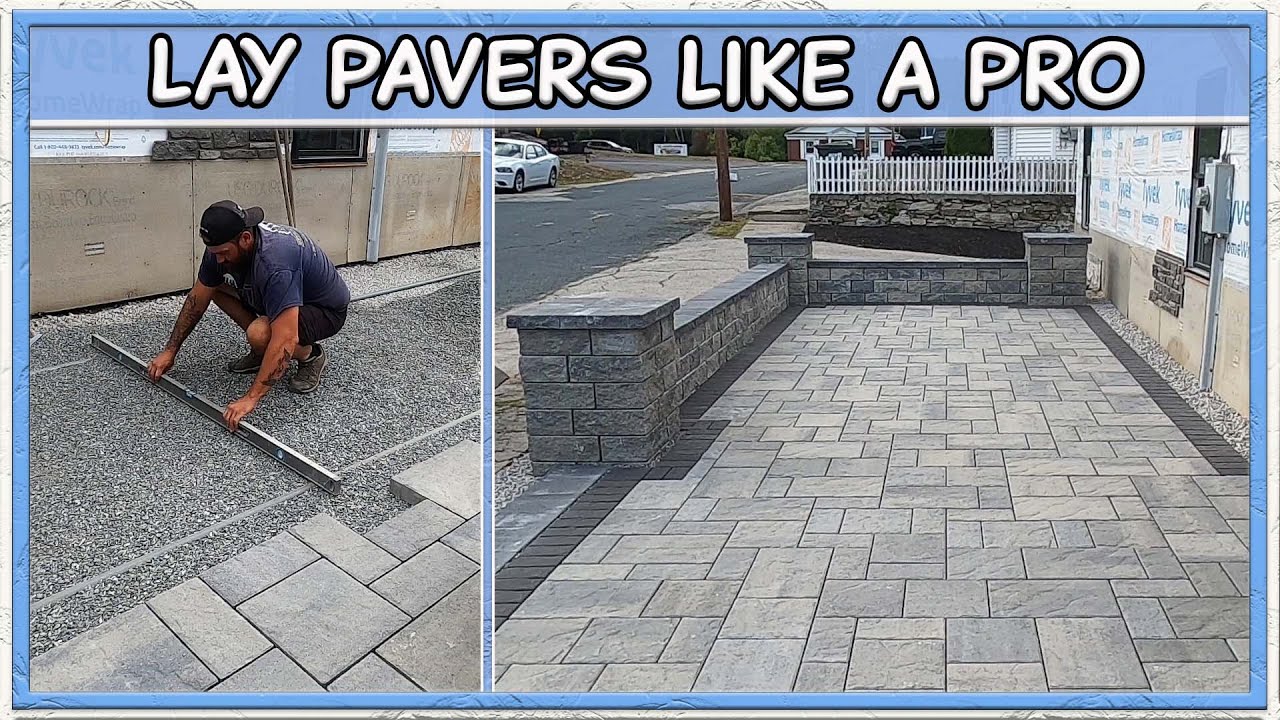
Upkeep 101: Keeping Your Interlocking Pathway Paving Installation Looking New
Interlocking pavers earn their credibility the same way a good coat does, by taking care of daily usage with poise and recuperating after harsh climate. When a Pathway Paving Installation is designed and developed properly, it relocates a little bit without breaking, drains pipes water successfully, and lets you take care of problems in little sections instead of tearing out whole slabs. The lengthy life expectancy individuals talk about is actual, but it is not automatic. It hinges on a list of routines that keep sand where it belongs, water moving away, and sides secured tight.
I have actually spent 20 years strolling residential properties in spring and fall, clipboard in one hand and a broom in the other. The patterns repeat. The courses that look brand-new 10 years in are not the ones with one of the most expensive rock. They are the ones where the owner, caretaker, or service provider got the little points right, season after period. That is what this overview covers, useful steps and judgment calls to aid your pathway age well, and, where useful, notes for those taking care of a Driveway Paving Installment too.
What makes interlacing hold up
The system works since each layer does its job. The compacted base manages lots, the bed linens layer allows you fine-tune altitude, the pavers spread out pressure side to side, and the joints lock whatever into a single mat. Water normally discovers its means down along the joints, which is fine as long as it keeps moving right into the base or out the sides rather than pooling.
Three failure settings come up again and again. Joints shed sand and begin to rattle, edges loosen and crinkle, and water sits as opposed to draining. A sidewalk can endure one of those for a while. 2 at once will show quickly as loosened rocks or irregular actions. The good news is that each of these problems is manageable if you capture them early.
On lighter-use paths, you can anticipate joint sand to resolve noticeably 2 or 3 times in the very first year, then stabilize with just rounding off every year or more. In freeze areas, the very first spring thaw is the examination. Watch exactly how the pathway dries out compared to the lawn or drive. Sluggish drying out hints at compaction or water drainage troubles worth dealing with before winter repeats the cycle.
How small problems start
Most difficulty begins at the margins, actually. A lawn mower wheel rides the edge and bends the row versus a weak restraint. An irrigation head sprays the same edge for eight mins twice a day, producing a completely moist pocket under the pavers. Leaves heap in one dubious curve and leach tannins, which stain gradually. Ants love cozy, completely dry joint lines and will certainly move in where sand has actually washed out.
On the surface area, you see open joints, weeds, and maybe a little shaking when you step. Below, fine bed linen sand can migrate if your joints are as well open or the sand is also great. In heavy rains, water searches any path of least resistance. If the base was built with the ideal gradation and compressed in thin lifts, it fights back. If not, you see dips where foot website traffic focuses, usually near shifts like deck steps or gates.
You stay clear of the cascade by keeping joints full and borders supported, and by valuing where water intends to go. The repairs take mins when the issue is new. Leave it for a season or two and you will certainly be re-lifting and re-screeding.
A fast seasonal checklist that really matters
- Walk the whole course after a tough rainfall and keep in mind any kind of standing water broader than a dinner plate that lingers for more than an hour.
- Sweep or impact debris off, particularly at contours and under bushes, before it breaks down into fines and obstructions joints.
- Inspect joint lines and top off low areas with polymeric sand or tidy angular joint sand as needed.
- Check side restrictions for motion, missing out on spikes, or heaving, and faucet pavers limited versus the restraint.
- Look under downspouts and irrigation heads, and readjust circulation or include dash blocks so runoff does not discard onto the walkway.
These 5 habits do even more for longevity than any type of sealer or fancy cleanser. They attend to the origin: dampness monitoring, joint integrity, and border stability.
Cleaning that protects the surface
Routine cleaning is basic, however devices and strategy matter. Dry move first. Getting rid of grit before you include water prevents massaging abrasives into the surface. If you wash, make use of a fan-tip nozzle and maintain the spray at a reduced angle to the surface, not right down right into the joints. Think about it like cleaning a cars and truck, you want to float dust off, not drive water right into seams.
Pressure washing has its place, just make use of restriction. On concrete pavers, I maintain the equipment in the 1,000 to 1,500 PSI range with a 25 or 40 degree idea, and I remain at least a foot off the surface area. On all-natural rock or textured surfaces, I go lighter. High-pressure, close-in passes will strip joint sand and engrave faces, so make one gentle pass, after that assess. If you do raise sand, prepare to top up those joints the very same day.
Organic spots such as fallen leave tannins usually fade under sunshine, yet shaded sidewalks need help. An oxygenated cleaner, the kind used for deck brightening, functions securely on a lot of pavers. Mix per the label, keep it off neighboring plantings, and rinse thoroughly. For oil drips, a plaster of absorbent product and a pH-neutral degreaser can pull out a lot of the stain if you capture it within a day or two. Corrosion from steel furnishings feet yields to a specialized corrosion cleaner designed for stonework, but test behind-the-scenes. The mild acid in some formulas can lighten specific pigments.
If you have a Driveway Paving Setup connected to your pathway, different cleansing strategies apply. Brake dirt, tire polymers, and cozy asphalt leach a lot more persistent compounds. Usage cleaners rated for automotive pavers and anticipate to restabilize joints hardscape contractors Walnut Creek CA afterward. The pathway itself hardly ever needs that level of aggression.
Getting joints right: materials and timing
Joint sand is not simply filler. It holds lateral pressure and limits water's ability to pump penalties out of the bed linens layer. Clean, angular sand with a gradation designed for interlacing pavers executes far better than round, smooth sand. Polymeric sand, which has binders that harden when effectively activated, stands up to washout and prevents weeds and ants. It costs even more and needs mindful activation, however the outcomes can last a number of seasons with just light touch-ups.
Refilling joints makes good sense when you see greater than a quarter inch of depth missing out on, or if the sand has actually become loosened and powdery. Pick a dry, tranquil day, due to the fact that wind brings away the penalties you wish to keep and moisture airborne can create premature established with polymeric items. Mask adjacent lawn or bed edges with scrap plywood if you are functioning near compost, which loves to gather the dust and make a mess.
Here is the most basic sequence I have shown home owners for polymeric sand.
- Dry tidy the surface area thoroughly with a rigid broom and blower to ensure that no dust or particles continues to be in joints.
- Sweep sand into joints, compact the surface area with a rubber mallet or plate compactor with a protective floor covering, and top off up until the sand sits regarding an eighth of an inch below the chamfer or surface.
- Blow the surface area tidy again, taking note of getting rid of all excess sand from paver deals with and crevices.
- Lightly mist in numerous passes, allowing water take in between each pass, till joints are saturated to complete depth without pooling.
- Block off the area for 1 day in cozy weather condition, longer if cool or moist, to enable complete remedy before foot web traffic, and hold-up heavy rinsing for a few days.
Heat and moisture adjustment remedy times. In dry, hot conditions, work in smaller areas to avoid allowing a damp side flash-dry. In winter listed below the manufacturer's threshold, normally around 40 to 50 degrees Fahrenheit, postpone the job.
If you like traditional joint sand, the steps are similar minus the water activation. You will certainly need to repeat more often, but there is no danger of haze on the surface if a couple of grains stay after sweeping.
Edges, restrictions, and the quiet battle against creep
The paver field intends to loosen up exterior. Edge restraints stop that. Plastic edging with spikes every 8 to 10 inches prevails for walkways. Concrete suppressing or a soldier program established in concrete is stronger and looks a lot more completed, however it dedicates you to that line for the long haul.
Every spring, I look for refined indications of creep. A little gap at a miter. A spike head jabbing up where frost has raised it. The first year or 2 usually needs a couple of faucets with a hammer and a handful of new spikes. If the restraint relocated since the base deteriorated under it, the fix is much deeper. Draw a few rocks, backfill with compressed accumulation, and reset the edge. 2 hours today avoids a rip-out in three years.
Near growing beds, root development can heave edges. If your pathway runs under a dehydrated tree, established the restriction further right into the field throughout building, then return the soil and mulch against it. Later on, maintain compost below the paver surface area. Compost slipping over the edge looks messy and catches wetness versus the restraint.
Drainage and freeze-thaw, the make-or-break details
Water has two jobs: leave the surface area promptly and leave the base eventually. Inclines around 1.5 to 2 percent are a pleasant place for walkways. Flatter than that and rains sticks around. Steeper and you risk washing joints on subjected runs. Include cross-slope where you can so water locates the yard side and not the foundation.
Downspouts emptying near a sidewalk telegram their damage. You will certainly see silt streaks, scoured joints, and in some cases a long hollow where bed linens sand migrated. Kick the water away with a diverter and think about a buried drain if the quantity is high. In snow country, meltwater refreezing over night expands and deteriorates sides over the season. Excellent base compaction and a stable subgrade limit motion, yet any type of ponding externally is a red flag. Proper minor birdbaths by raising a few stones, including bed linens sand, and communicating. If the hollow returns, look much deeper at the base.
Winter treatment without security damage
Snow removal on a walkway prefers plastic edges and rubber blades. A steel shovel will chip edges and scuff faces, many visibly on developed or sealed surface areas. Keep the shovel angle low and push, do not chop. If you work with solution, ask to establish the skid shoes on blowers so the auger drifts simply over the surface.
De-icers are a trade-off. Salt chloride is effective and low-cost, yet it draws dampness into the surface area and can increase scaling on some concrete pavers, specifically in the very first year. Calcium magnesium acetate is gentler however functions slower and costs more. Calcium chloride sits in the center for performance and risk. Whatever you select, use just required and wash the pathway in very early spring when temperature levels permit. On natural rock, test first. Some sedimentary rocks are susceptible to chemical attack.
For a new Pathway Paving Installation, allow the initial winter be mild. Prevent de-icers if you can and rely upon grip representatives like sand or screenings. The first freeze-thaw cycles settle the system. After that, you can be much less cautious.
Weeds and ants, and what they teach you regarding your joints
Weeds do not grow up from below a correctly developed pathway. They blow in and origin in the leading fifty percent inch of joint material and debris. That is why sweeping issues. Polymeric sand binds the joint and leaves couple of pockets for seeds to capture. If you paver driveway Walnut Creek have a stubborn spot under a hedge, analyze the surface. You will most likely find a shallow clinical depression that collects fine organic product and stays damp. Take care of the clinical depression and the weeds generally fade.
Ants show up where joints are dry, loose, and cozy. You will certainly see their spoil heaps appear like pepper mounds after warm days. Swamping the nest is a temporary solution. The longer-term cure is to replace the joint sand with a stabilized item and remove any kind of sheltered spaces. If they go back to the exact same spot, search for a cozy edge near a structure or border rock where warmth from a structure or solar gain creates an excellent nest location. In some cases a little bead of low-expansion stonework adhesive under the soldier course dissuades reentry without affecting drainage.
When to re-level a section
Every interlocking surface resolves a little. The judgment call is whether you can deal with it cosmeticly or whether it has ended up being a safety and security or drain problem. On a sidewalk, a quarter inch of lippage in between pavers is where tripping ends up being most likely. A birdbath that holds water enough time to breed mosquitoes needs attention.
Local relaying is uncomplicated if you have the right tools and spare pavers. Pry up the impacted stones meticulously, keep them in order, and check the bed linens layer. If it is slim or has washed out, add fresh concrete sand, screed it degree, and reset the stones. A rubber club and a straightedge aid you blend the spot right into the surrounding field. On older installs, shade variant becomes visible when you bring in brand-new pavers. That is why great service providers leave a few bonus on site from the original batch. If you do not have them, lift from an unnoticeable area to collect matching devices and put brand-new ones in the covert zone.
If the settling prevails or returns after a careful reset, the base might be underbuilt or the subgrade may be unsteady. This is when a brief contact us to the installer, if the project is under service warranty, can conserve time. Lots Of Driveway Paving Installment agreements consist of a one to 2 year guarantee on settlement beyond a quarter inch, and the very same standard often puts on pathways. Also outside guarantee, a trustworthy installer can detect whether tree roots, a broken downspout, or bad compaction is to blame.
Sealing, yes or no
Sealers divide point of views. Some property owners enjoy the grown color and stain resistance. Others dislike the luster or stress over slipperiness. From an upkeep point of view, sealants can minimize water absorption and buy time against oil or tannin spots. They do not remove the demand to maintain joints full and edges tight. If you choose to secure, wait up until the pavers are totally completely dry and tidy, and the joints are stable. Any kind of entraped moisture can shadow the sealant, and sand stuck on faces under a movie resembles dust baked right into the finish.
Penetrating sealants keep an even more natural appearance and boost resistance to freeze-thaw and de-icing salts. Film-forming sealers offer even more color pop and tarnish resistance but can highlight surface imperfections and call for cautious prep. Expect to reapply every 2 to 4 years relying on exposure and foot website traffic. For a shaded yard course, the period stretches. For a bright front walk that sees daily usage, you will certainly observe use sooner.
One caution from the area, if your sidewalk shifts to a driveway, be conscious where you stop applying a glossy sealant. Tire tracking onto an unsealed area leaves visual lines. Either commit to securing both surface areas with compatible items or keep the pathway natural.
A tiny instance from the field
A client in a coastal town called around a walkway that had begun to feel irregular after 3 wintertimes. The course bent around a bed of ornamental lawns and finished at granite actions. The first move informed the tale. Joint sand was reduced near the within contour, and water from a gutterless eave struck that place in every storm. The edge restriction had three spikes honored by a fifty percent inch from frost heave. We raised a six-foot area, found bed linen sand that had moved towards the within the contour, and re-screeded with a slightly coarser sand mix to stand up to activity. We drove new spikes at closer intervals near the contour, adjusted the downspout with a diverter, and utilized polymeric sand on the entire contour. The moment on website had to do with 5 hours. 2 years later, the owner emailed a photo of the path under fresh snow, smooth and also. Small fixes, big dividends.
What to ask your installer and how to document your care
If your sidewalk is brand-new or you are planning a Walkway Paving Installation along with a Driveway Paving Installment, quality up front streamlines upkeep later on. Ask what base product and compaction criterion they utilize. A strong pathway usually rests on 4 to 8 inches of compressed accumulation in lifts, changed for dirt kind and environment. Verify the resource and gradation of joint sand and whether polymeric is consisted of. Talk about side restrictions and just how they will deal with shifts to steps, decks, or asphalt.
Keep a small documents with the product names, colors, and whole lot numbers if offered. Take pictures the week after completion. They help if you ever before require to match pavers or file negotiation. Note the brand and shade of any sealer if utilized. Make a note of a quick log of upkeep, the dates you re-sanded or adjusted irrigation. It appears fussy, but it saves guessing later and reminds you to inspect after large climate events.
A year in the life of a clean walkway
Spring is for examination and light repair. Sweep, rinse, and complement joints. Fix any small birdbaths. Check sides and drive spikes pull back where needed. If you prepare to secure, let the pathway completely dry totally after spring rainfalls before you start.
Summer has to do with shade and watering. Ensure lawn sprinklers do not overshoot and maintain turf cuttings off the surface area. Heat can cure polymeric sand as well promptly if you attempt to re-sand at midday, so begin early or wait for a cooler day.
Autumn brings leaves and tannins. Stay ahead of stacks in edges. This is a good time to make a last pass topping up joints so wintertime freeze-thaw has a tight mat to deal with. If you use de-icers, supply a product matched to your paver type so you are not buying whatever is left on the rack during the initial storm.
Winter is defense season. Usage gentle devices, keep paths clear promptly to prevent ice bonding externally, and do a fast rinse in early spring to get rid of residual salts when the hose pipe can be safely used again.
Final ideas from the jobsite
Walkways do not request a lot. A couple of hours spread out throughout the year, a bag or two of sand, and an honest take care of a huge tornado. When you provide that, they reward you with a surface area that feels strong underfoot and looks deliberately set within the landscape. The craft that went into the original setup continues to be visible since you supported it with stable, easy care.
If you are stabilizing the requirements of a walkway with those of a driveway, focus on joint integrity and side restraints on both, and adjust assumptions for the greater lots and harsher cleansers that a driveway sees. The systems are cousins. Treat them with the very same self-control and they will age with each other gracefully.
The tools are small: a stiff mop, rubber mallet, a good hose nozzle, a low-pressure washing machine when required, and the perseverance to function clean. The way of thinking is even easier. See how water acts, maintain the edges honest, and do little work prior to the work grows teeth. Over time, you will discover that your walkway looks new not because it is unblemished, but because it is well maintained. That is the silent success of interlacing pavers done right.